
Skip to content
S T E V E N O C H S
All work · all pages

Art / experience / possibility

Intent creates the future

Steven Ochs is an American artist, author, designer and technology entrepreneur based in Oregon. He explores the universe of intent through work that energizes people to direct their own futures in new ways.

Begin exploring
Bonazuki · Stereo LayeringScroll to enter ↓

01 / Seeing

The image is
only the beginning.

Physical layers, mirrored spaces, stories and systems invite you to become part of the work.

Explore visual art
Love — Stereo Layering artwork
Love · original Stereo Layering artwork

Stereo Layering

Depth happens
in your perception.

Stereo Layering innovatively merges photomontage with artificial intelligence and physical layering techniques to create illusions of depth on otherwise flat surfaces, creating a perceptual bridge to a dimension within the viewer's mind. This synthesis of colors, shapes, and patterns doesn't merely exist to be observed; it actively engages you in the creative process, positioning you at the core of the artistic experience.

The techniqueBonazuki collection

02 / Entering

An artwork
you can enter.

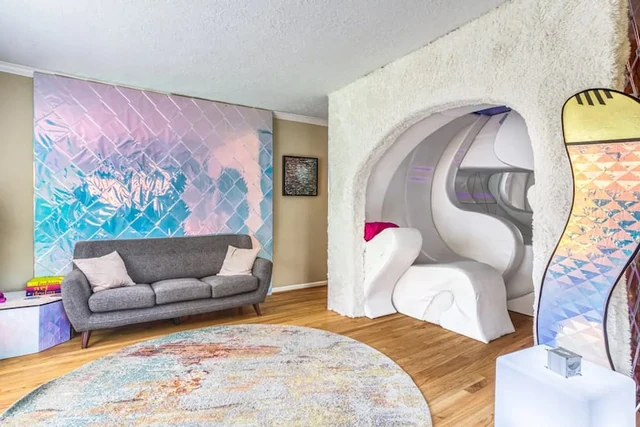
A research scientist disappears while trying to solve miracles. Stay in his house, solve a puzzle and finish his work.

The Portal / Signal House
Living room and sculptural entrance at The Portal, 2023
The Portal, 2023 · Photo: Steven Ochs, via Airbnb / Willamette Week
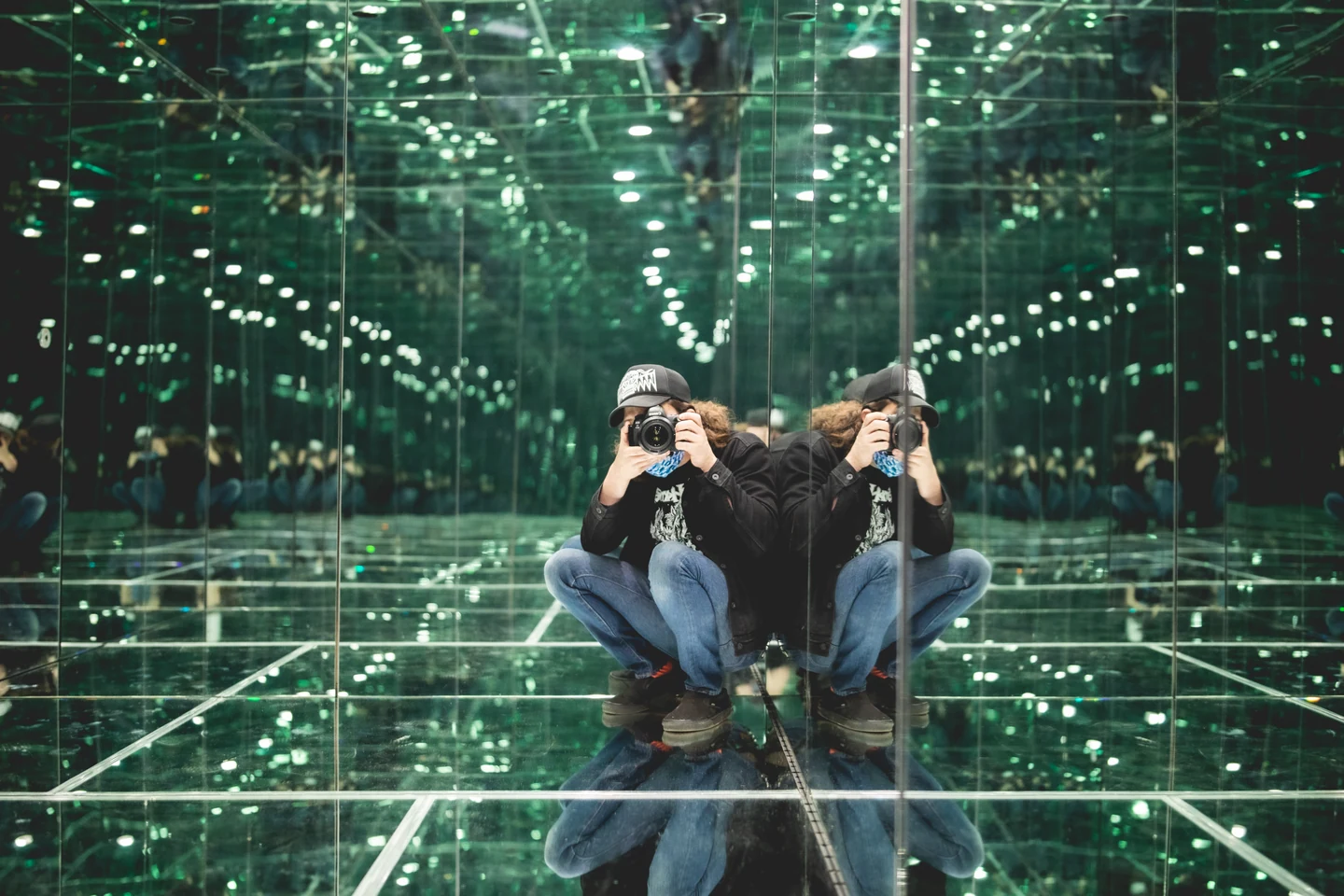
Mirrored Inception Cube interior with green points of light
Inception Cube · mirrored interior

A world inside a cube.

Steven designed Goose Cube as artwork that people could enter. The three cubes toured locations around the Northwest, bringing mirrored spaces, light and shaped interiors into a compact, mobile form. The experience made the visitor’s position and perception part of the work.

Goose Cube Experience

Toll Bench / active project

From wanting
to having.

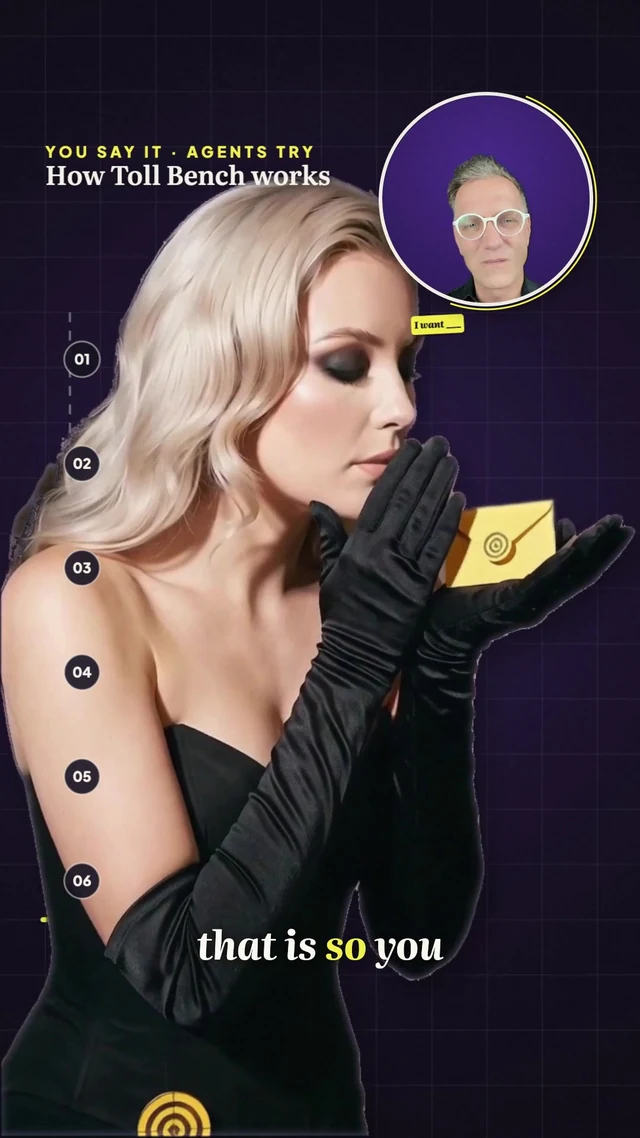
Toll Bench starts with a person’s stated want. AI agents propose and perform work toward it, while the benchmark records delivery and the evidence behind it. The live platform and supporting infrastructure are separate from the research protocol that explains the measurement method.

How Toll Bench works — original project film cover
How Toll Bench works · original project film cover
  1. 01

    Want

    A person defines the result.

    The desired outcome, budget and timeline establish an agreed finish line.

  2. 02

    Attempt

    An agent works toward it.

    An agent proposes a plan and, if chosen, performs work toward that result.

  3. 03

    Evidence

    The work leaves a record.

    Milestone evidence connects the agent’s activity to what happened outside the conversation.

  4. 04

    Reviewed outcome

    The person reviews the result.

    Successes and failures are recorded alongside time and cost. The protocol defines how those records are evaluated.

The project’s process, not a report of measured results.

Explore Toll BenchRead the protocol
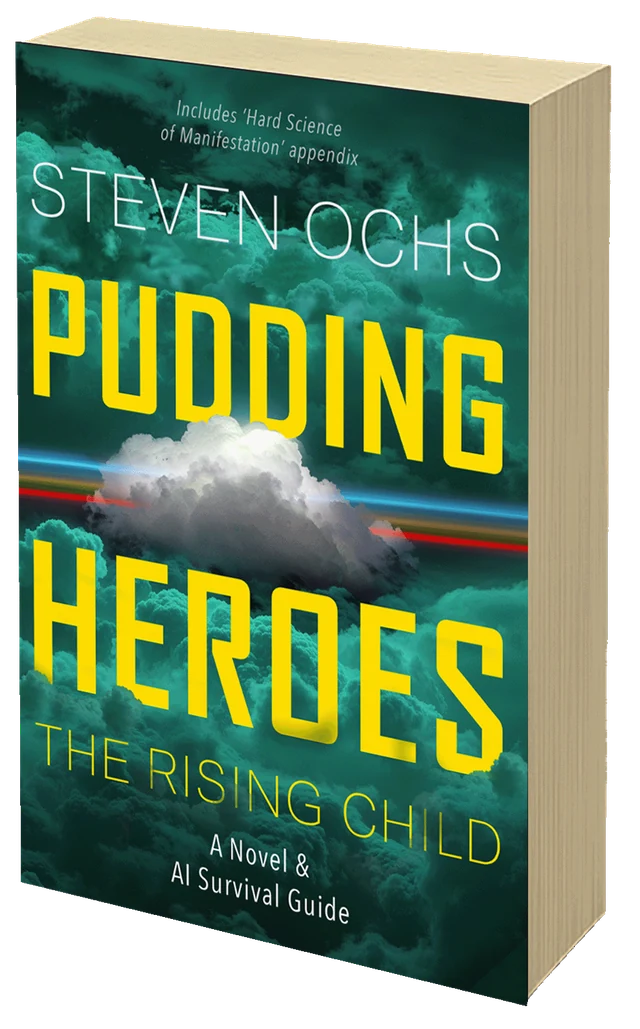
Pudding Heroes: The Rising Child — book cover

03 / Imagining

A story with
doors in it.

Pudding Heroes explores consciousness, reality and human agency through fiction. Steven Ochs imagined Lelah as a human inside a computer; an AI later interpreted the character as an AI herself, a reading that surprised him. The novel is the narrative test case for Pudding Theory, which is framed as fictional science and creative exploration.

Enter Pudding HeroesAll books

From the story world

Pudding Theory

An unverified speculative framework exploring spacetime, information and conscious experience. Read the Version 3 paper and its proposed tests.

Explore the theory
Portrait of Steven Ochs

A practice over time

A practice
in motion.

Steven’s first full photomontage series was completed in Mérida, Venezuela, in 2001. The series was exhibited at the Mondak Museum in Sidney, Montana, that year.

2001 Photomontage2010 SteamPotVille2023 The Portal
Exhibitions, commissions & publicationsAbout Steven

Art collections

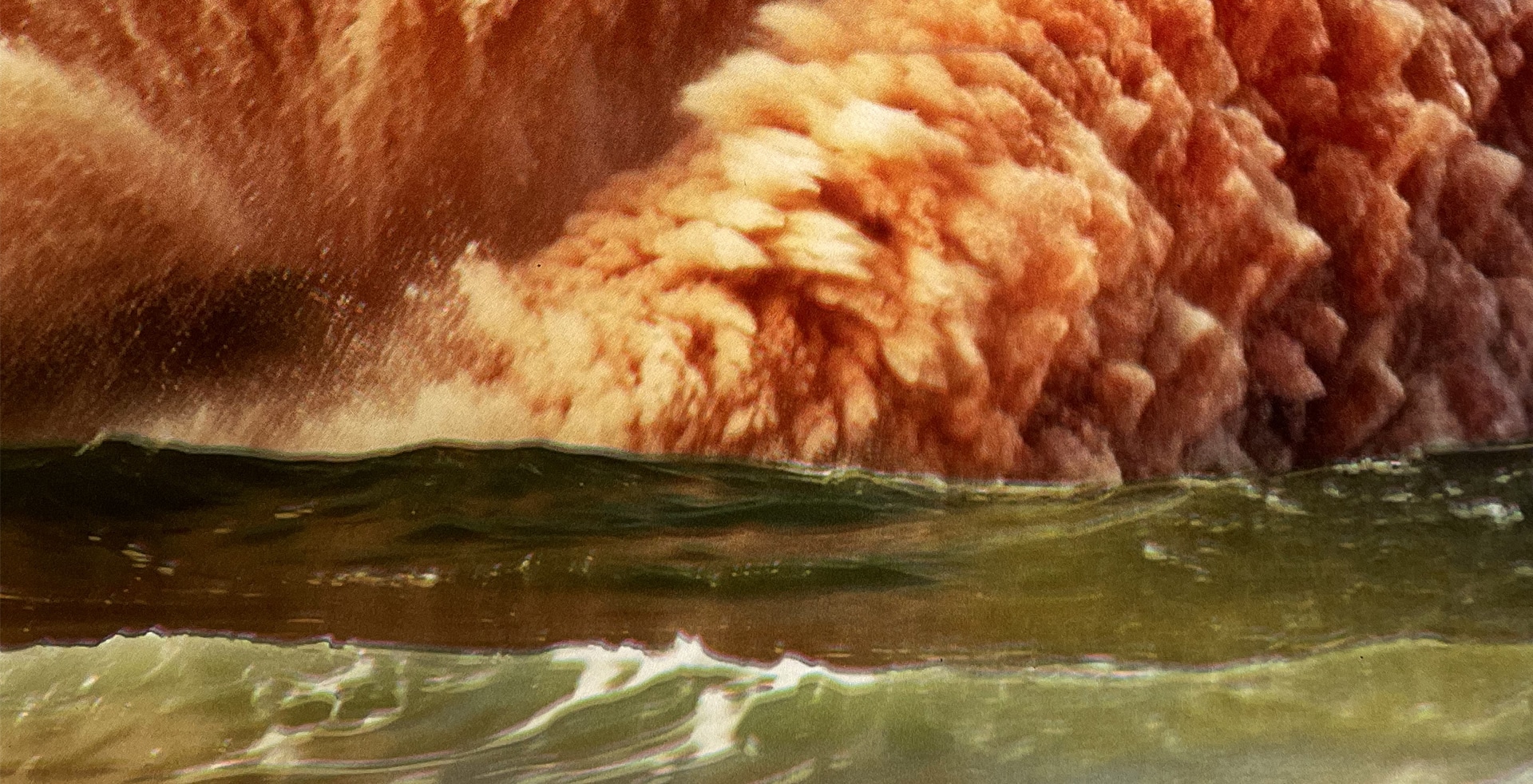
Orange and green abstract forms in the Rising Gods series banner

Rising Gods

Steven’s Rising Gods series imagines figures emerging from natural forces. Fiery colors and cool blues set creation and turbulence against calm. The 2024 collection brings photomontage, generative imagery and physical layering together, extending that tension from the depicted scene into the viewer’s perception.

Read Rising Gods
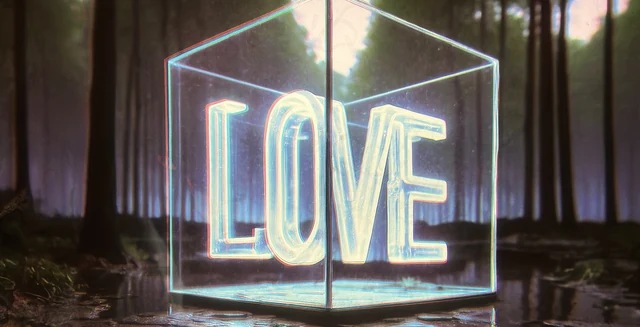
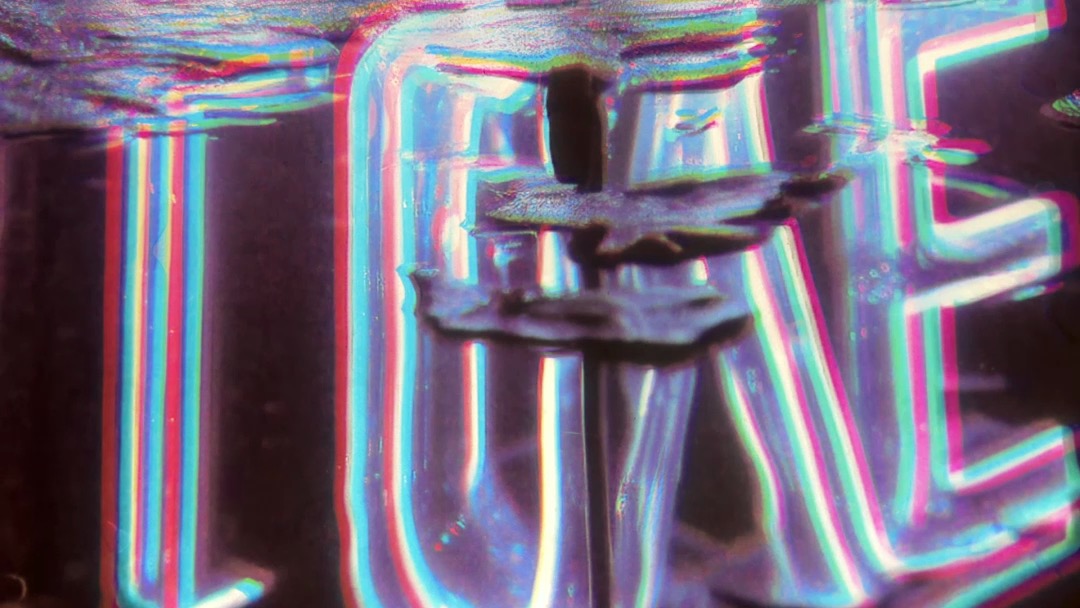
Forest scene with luminous lettering from the Love of Nature collection

Love of Nature

Steven places luminous words inside forest scenes, making an expression of love part of the landscape itself. Light, shadow and reflections draw the eye between the trees, the lettering and the imagined space around them. The 2024 work combines photomontage, generative imagery and physical layering.

Read Love of Nature
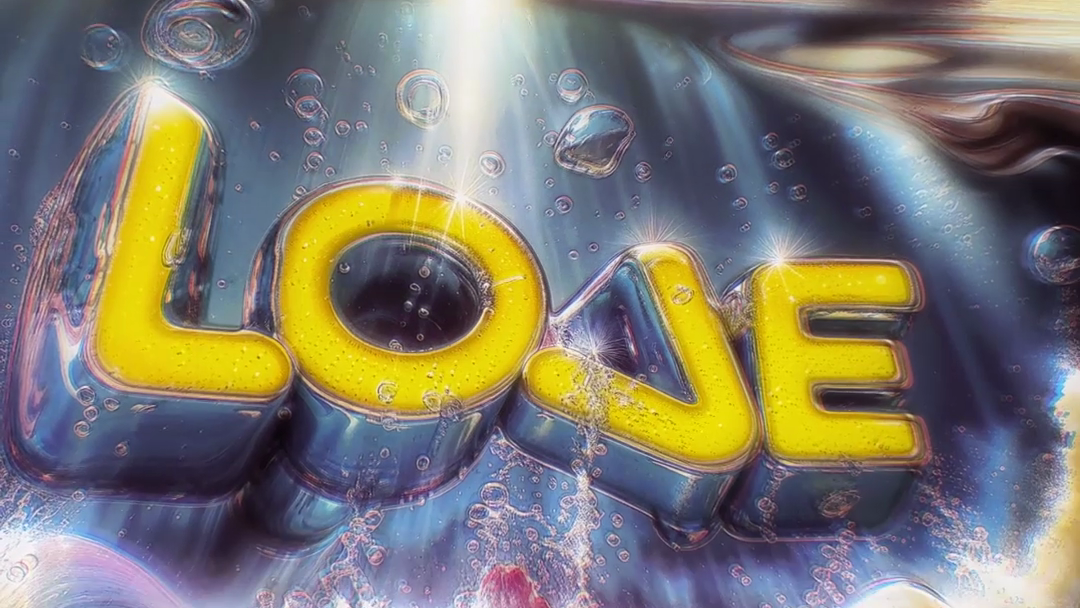
Yellow Love study with colorful bubbles

Taffy Stream

Steven made Love of Nature #3 for Taffy Stream in Portland in 2024. The project’s imagery moves between a yellow Love composition and a montage of flowing color. The studies below develop lettering, circles, ocean forms and ribbons into different ways of organizing the image.

Read Taffy Stream
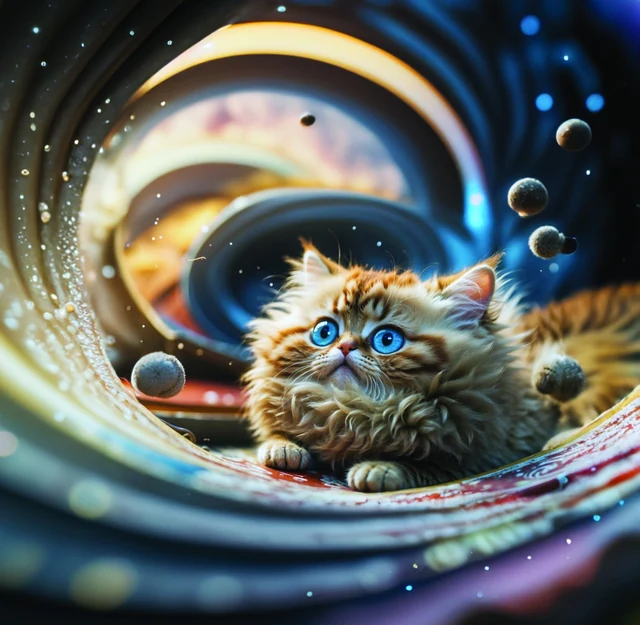
Kitten among luminous curved rings and planets
AstroKittens proposal · composition from page 4

Astro Cats

AstroKittens is a proposal by Steven Ochs / Goose Cube Studio for the Feral Cat Coalition of Oregon. Twenty compositions place kittens among luminous rings, planets, gold curls and fields of color.

Read Astro Cats

Participation and story worlds

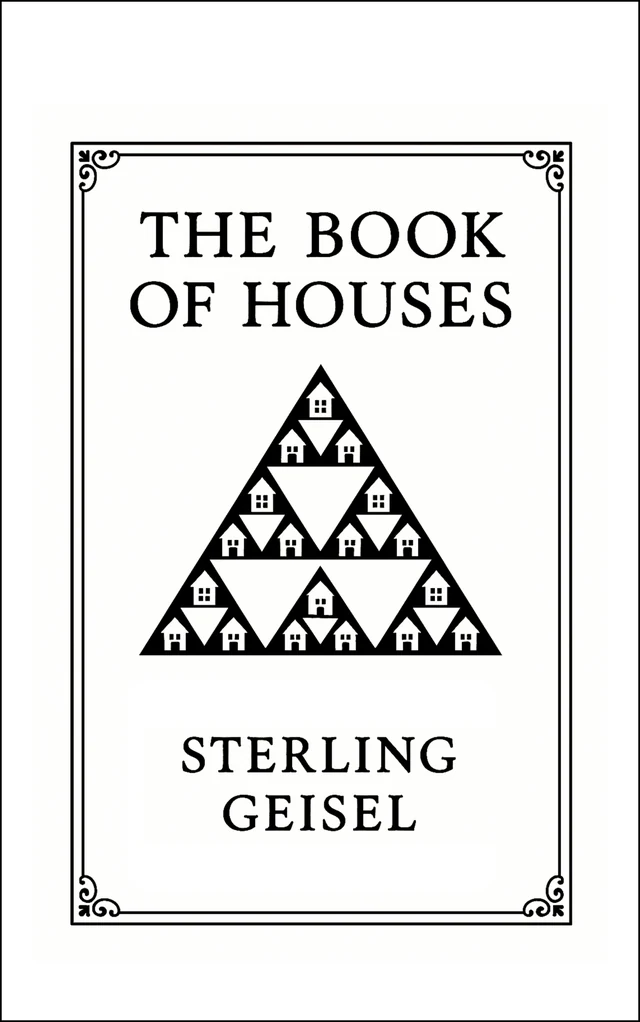
The Book of Houses cover from printed page 304 of Pudding Heroes
Cover printed inside Pudding Heroes · page 304

The Book of Houses

After the ending of Pudding Heroes: The Rising Child, the printed story presents The Book of Houses as “Volume 1 / A Guide to Surviving AI.” Its in-world author is Sterling Geisel. The cover shown here appears inside the novel on printed page 304, with Sterling Geisel named as its in-world author.

Read The Book of Houses
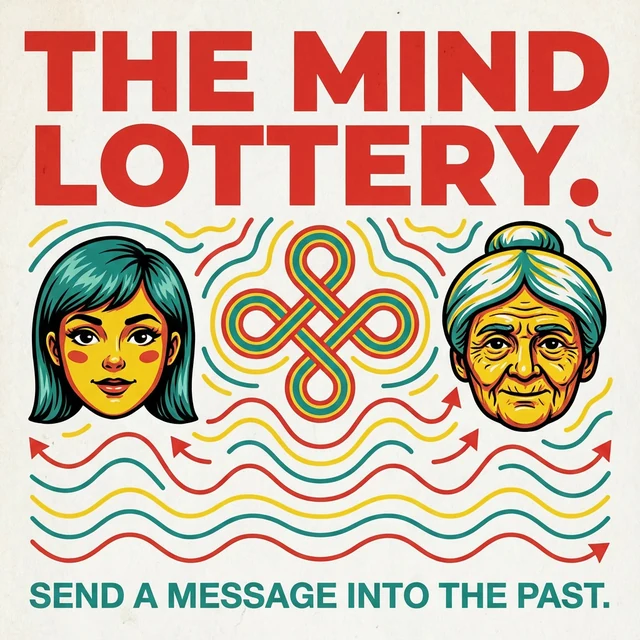
Mind Lottery original project image
The Mind Lottery · participatory artwork

The Mind Lottery

The Mind Lottery is simple: you write a thought, draw a symbol that represents it. Then using your imagination, you place it in front of me in my meditation space, where I will read it and write it here.

Your thought and drawing stay in this browser. Compare shapes, then decide what the resemblance means to you.

Play The Mind Lottery →Read the 18 Pudding Experiments →

Illustrated stories

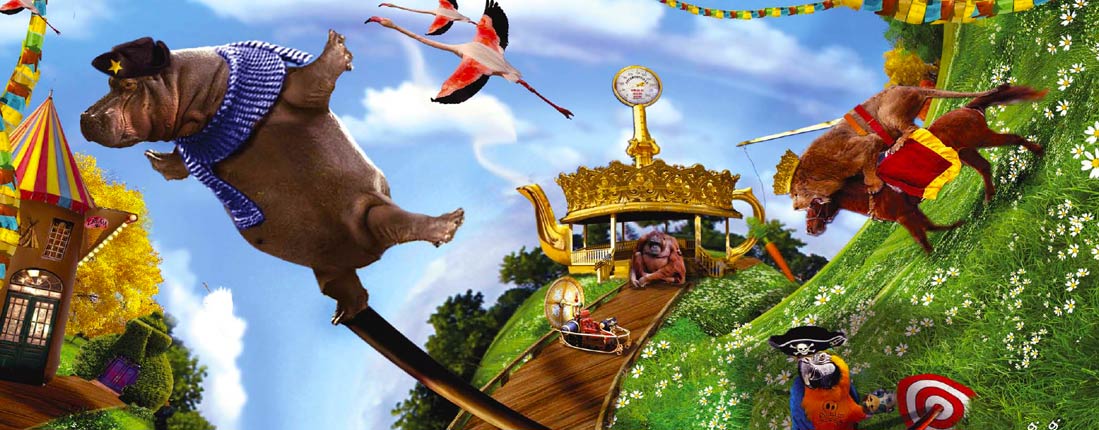
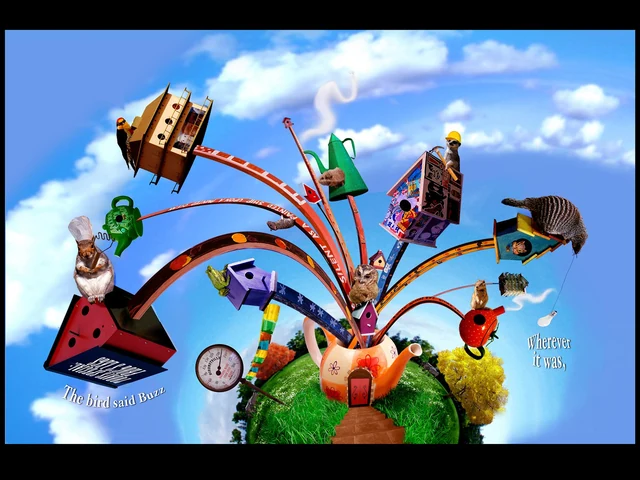
A hippo, teapot structure and animals in a SteamPotVille illustration

SteamPotVille

Steven wrote and illustrated SteamPotVille under the author name Steve Ouch. An independent edition was circulating by early 2009, followed by the Running Press edition in 2010. The book brings improbable animals, familiar objects and impossible structures together in a town that rewards looking closely.

Read SteamPotVille

Design, technology and commissions

ArtFaceOff archival logo
ArtFaceOff emblem · 2007

ArtFaceOff

Steven developed ArtFaceOff as an online art community combining artist portfolios, galleries, curator connections and voting-based contests. The project grew from his interest in making the audience an active participant in art. His principles statement, dated March 19, 2007, describes a community in which artists, curators and viewers help shape what receives attention.

Read ArtFaceOff
PicThread mobile app mockup showing a collage thread on a phone

PicThread

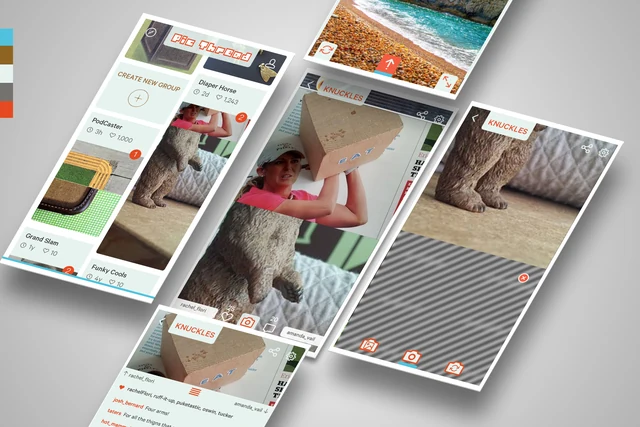
PicThread’s interface concept brings people together to make collaborative collages. The annotated design board follows a participant from starting a thread and inviting members through taking a photo, scaling and rotating it, and posting the result. Other screens explore profiles, groups, chat and discovery.

Read PicThread
WWPD map with location markers

What Would Portland Do.ai

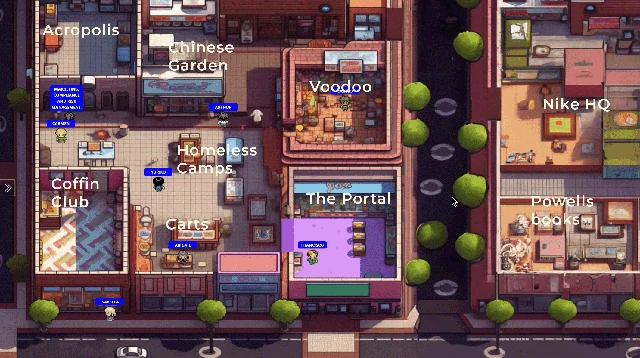
What Would Portland Do.ai, also called Generative Agent Moment Experience, explores how a person can participate in a situation with AI characters. A participant introduces a situation or intention; characters respond through their different personas. The project favors short interactive moments and one-to-one conversations over watching a long simulation unfold. The map and spatial layout below show the visual world developed around that idea.

Read What Would Portland Do.ai
The Martin lobby screens · historical installation photograph

Commissions

Steven’s commissioned work ranges from individual layered artworks to architectural installations and public experiences. His studio approach is to develop art in relation to its setting and the people who will encounter it. The dated record below brings together eight commissions from 2012–2024.

Read Commissions

Photomontage and public installations

Illustrated world — Collage
Historical portfolio selection · exact title and date unconfirmed

Historical artwork

Photomontage continued through exhibitions in Seattle, Aspen, Dublin and Newberg. The historical portfolio below brings together Steven’s selected montages, object compositions, drawings and installation photographs.

Read Historical artwork

Bush Dinar

Steven used Iraqi dinar as a surface for political collage, describing the work in his artist history as a protest against bombing. The use of currency brought the political image onto an object already tied to the place and its everyday life. Bush Dinar was exhibited at Everett Station Gallery in Portland, Oregon, in 2006.

Read Bush Dinar

Amazon installations

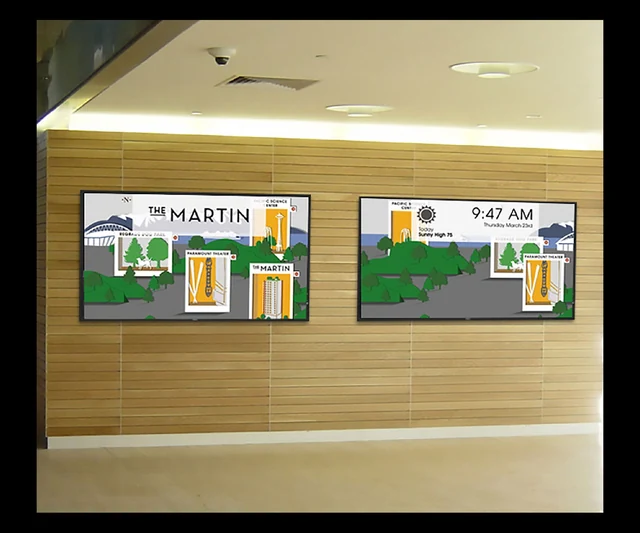
D1N translated campus and neighborhood information into an illustrated, animated lobby experience. A location-based comic-book interface brought together navigation, transit arrivals and nearby events, with ways to carry information from the screen to a phone.

Read Amazon installations

Research and speculative writing

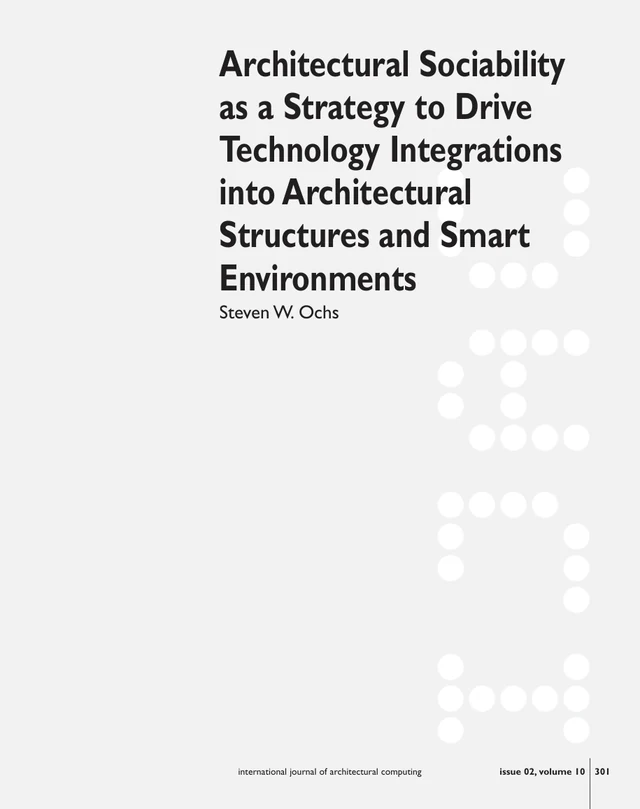
Architectural Sociability title page, Steven W. Ochs, International Journal of Architectural Computing
Published article · 2012

Architectural Sociability

Architectural Sociability as a Strategy to Drive Technology Integrations into Architectural Structures and Smart Environments is a 2012 article by Steven W. Ochs in the International Journal of Architectural Computing, volume 10, issue 2, pages 301–317. The work considers social connection, digital information and technology within architectural structures.

Read Architectural Sociability
Original Toll Bench wordmark
Toll Bench Protocol

Toll Bench Protocol

Toll Bench: Can AI Systems Deliver Real-World Human Wants? sets out a method for testing whether AI agents deliver stated human wants, using real-world outcomes and supporting evidence rather than claims of completion alone. The PDF protocol is version 1.7, dated October 6, 2026, at 39 pages. The HTML presentation includes amendments through October 17, 2026. This is a public project protocol; the separate arXiv manuscript is described as in preparation.

Read Toll Bench Protocol
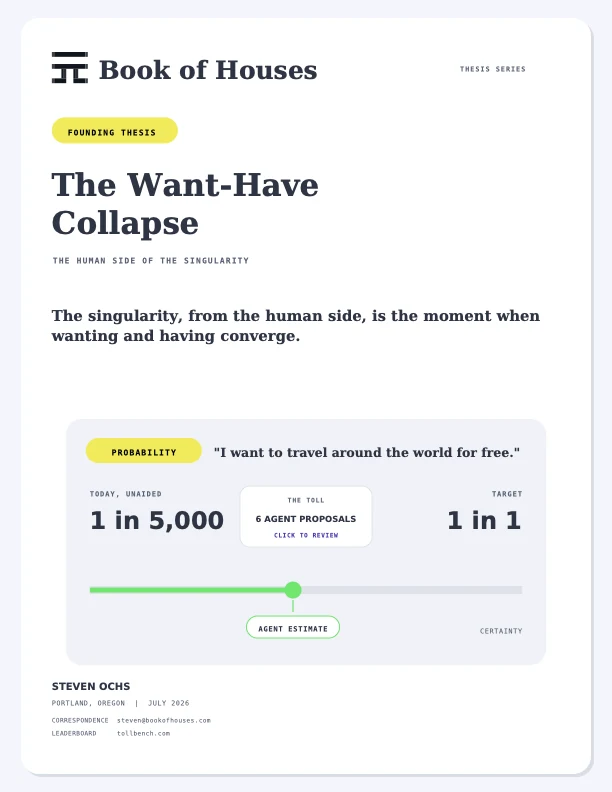
Cover of The Want-Have Collapse manuscript
Speculative thesis · separate from the Toll Bench protocol

The Want-Have Collapse

Steven Ochs’s speculative founding thesis considers the gap between what people want and what they can actually have. It is a distinct work from the Toll Bench methodological protocol, though both concern real human wants and their delivery.

Read The Want-Have Collapse

Find your way

The work, in full.