History · eight dated CV entries
Documented commissions
The complete commission record from Steven Ochs’s archived artist CV.
Explore the WorkSelected project image
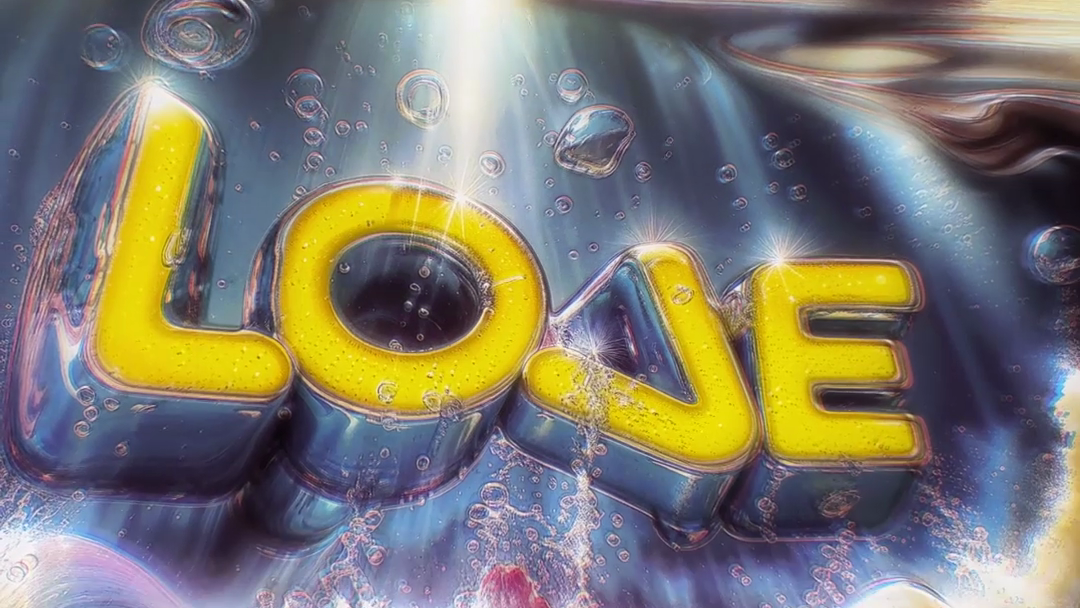
Commissions, 2012–2024
Steven’s commissioned work ranges from individual layered artworks to architectural installations and public experiences. His studio approach is to develop art in relation to its setting and the people who will encounter it. The dated record below brings together eight commissions from 2012–2024.
- 2024 · Love of Nature #4 — Umi Games, Portland, Oregon
- 2024 · Love of Nature #3 — Taffy Stream, Portland, Oregon
- 2024 · Stereo Layering — Private Collection, Portland, Oregon
- 2023 · Stereo Layering — Feral Cat Coalition of Oregon, Portland, Oregon
- 2016 · Amazon Experience Campus Masterplan — Seattle, Washington
- 2015 · Light Box Mural — Amazon Wainwright Building, Seattle, Washington
- 2012 · Olympian Torch Experience — American Olympian Society, London, England
- 2012 · The Mind of the Needle — Space Needle, Seattle, Washington
Related surviving work
Love of Nature and the Taffy Stream commission show how a visual series can develop for a particular setting. Stereo Layering explains the perceptual approach behind the 2023 and 2024 entries; the earlier Space Needle and Amazon projects extend the practice into buildings and shared environments.
Designing the encounter
The case studies in Steven’s March 2016 portfolio bring interface design into physical settings: arriving at a workplace, finding neighborhood information, looking through a building’s windows or following a story through a city. They include commissioned strategies, installation accounts and proposed experiences.
Amazon projects include D1N’s illustrated lobby information, the Wainwright Digital Salon and workplace experience strategy. Their page keeps those contributions and the separate CV records together.
The Martin for Vulcan
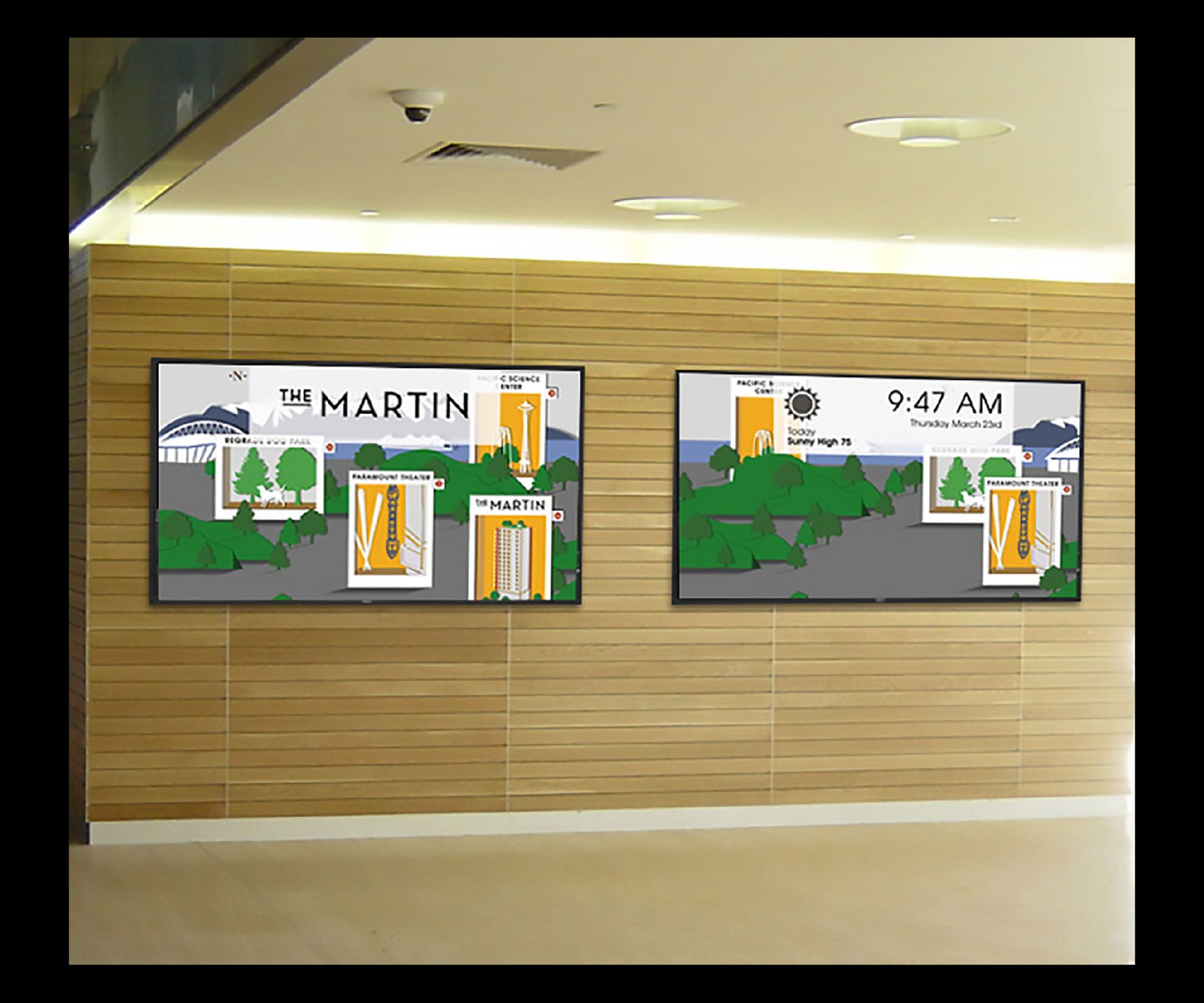
The Martin brought neighborhood information into a residential lobby. Steven’s portfolio describes two lobby iPads and two visitor-area touchscreens, using layered cards and parallax movement to connect people with Belltown places and activity. His contribution centered on concept, experience and interface design.
The project treats a building’s digital surfaces as part of its social surroundings. The portfolio documents it by March 2016; the earlier Hyperparallax reference in Steven’s history remains a separate title until its project phases can be matched.
Space Needle: story and place
Children for Breakfast survives as a commissioned story-and-game design connecting a book, locations, maps and collectible elements. The framework, dated October 16, 2014, explores how a story could lead a family through a city.
The broader record includes the 2012 Mind of the Needle commission and later interactive iterations. Together they show narrative, interfaces and physical places being designed as one experience, while the status of the individual proposed and delivered components remains distinct.
Boeing through NBBJ
For NBBJ’s work with Boeing, Steven developed a framework for encouraging a culture of health in a factory setting. His portfolio describes reviewing platforms and workplace culture and considering connected physical and digital experiences with architects and stakeholders. This case documents strategy and design planning.
A 21st Century Community Center
The Hornall Anderson community-center concept proposed a place where architecture, events and digital participation could support one another. Steven created the user-experience strategy for a configurable environment combining movement, conversation and shared activity. The portfolio presents the work as a concept and prototype.
Intel Brand Center
Steven contributed user-experience and information-architecture work to Intel Brand Center, a system for organizing brand assets and related community content. His portfolio describes an assisting role within the larger platform project.
2012 Torch: a mobile relay
Steven’s 2012 Torch proposal imagined a digital object passing from person to person through a phone. Participants could receive and pass the torch, leave a dedication and follow its route on a map. The project connects a shared symbolic act with the physical movement of people.
March 2012 app-submission and beta documents credit Steven as the conceptual artist. A related Seattle Art Museum installation remained a proposal. The recovered material documents the design and development of the relay without presenting it as an official Olympic app or a delivered museum installation.